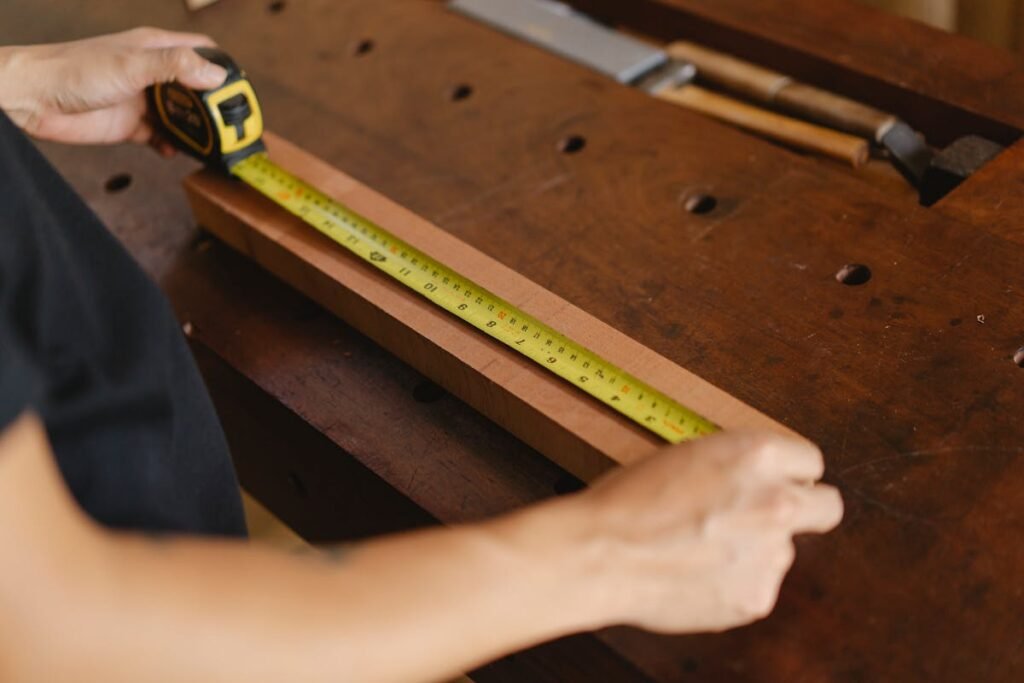
Calculating the correct amount of concrete for structural beams is an important part of any construction project. Beams play a major role in supporting loads from slabs, walls, and other structural components. If the concrete quantity is not calculated correctly, it can lead to material shortages, increased costs, and construction delays.
In this guide, you will learn how to calculate concrete for a beam step-by-step, including formulas, examples, and practical construction tips. This article will help contractors, engineers, builders, and homeowners understand beam concrete estimation more easily.
If you want to calculate instantly, you can also use our Beam Concrete Calculator available on CFT Calculator.

Table of Contents
What is a Concrete Beam?
A concrete beam is a horizontal structural element designed to support loads from slabs, roofs, or floors and transfer them to columns or walls.
Beams are commonly used in:
• Residential buildings
• Commercial construction
• Bridges and infrastructure
• Foundations and framing systems
Because beams support structural loads, calculating the correct amount of concrete is essential for safety and durability.
Beam Concrete Volume Formula
To calculate concrete for a beam, the basic formula used in construction is:
Volume = Length × Width × Height
This formula calculates the volume of the beam, which represents the total amount of concrete required.
The result can be expressed in:
- Cubic feet (CFT)
- Cubic meters (CBM)
- Cubic yards (YD³)
Step-by-Step Beam Concrete Calculation
Let’s understand the calculation process with a simple example.
Example Beam Dimensions
Length = 12 ft
Width = 1 ft
Height = 1.5 ft
Step 1: Apply the Formula
Volume = Length × Width × Height
Volume = 12 × 1 × 1.5
Volume = 18 cubic feet
This means the beam requires 18 CFT of concrete.
Convert Beam Concrete Volume to Cubic Meters
Many construction projects use cubic meters as the standard unit.
Conversion formula:
1 cubic meter = 35.3147 cubic feet
Example:
18 CFT ÷ 35.3147 = 0.51 m³
So the beam requires approximately 0.51 cubic meters of concrete.
Convert Beam Concrete Volume to Cubic Meters
Many construction projects use cubic meters as the standard unit.
Conversion formula:
1 cubic meter = 35.3147 cubic feet
Example:
18 CFT ÷ 35.3147 = 0.51 m³
So the beam requires approximately 0.51 cubic meters of concrete.
Cement Required for Beam
Cement proportion = 1 / 7
Cement volume:
0.78 × (1/7) = 0.11 m³
1 cement bag = 0.035 m³
Cement bags required:
0.11 ÷ 0.035 = 3 bags approximately
Sand Required for Beam
Sand proportion = 2 / 7
Sand volume:
0.78 × (2/7) = 0.22 m³
Aggregate Required for Beam
Aggregate proportion = 4 / 7
Aggregate volume:
0.78 × (4/7) = 0.45 m³
| Beam Size | Concrete Required |
|---|---|
| 10 × 1 × 1 ft | 10 CFT |
| 12 × 1 × 1 ft | 12 CFT |
| 15 × 1 × 1 ft | 15 CFT |
| 10 × 1.5 × 1 ft | 15 CFT |
Why Accurate Concrete Calculation is Important
Correct concrete estimation provides several advantages in construction projects.
1. Cost Control
Accurate calculations help prevent unnecessary material purchases.
2. Reduced Material Waste
Ordering the correct amount of concrete minimizes waste.
3. Better Project Planning
Construction teams can plan resources and schedules more efficiently.
4. Structural Safety
Proper concrete volume ensures beams achieve required strength.
Construction Tips for Concrete Beams
To ensure strong and durable beams, follow these construction practices.
- Always verify beam dimensions before pouring concrete
- Add 5–10% extra concrete to account for wastage
- Ensure proper reinforcement steel placement
- Maintain proper curing for at least 7–14 days
- Use the correct mix ratio for structural strength
These practices improve durability and reduce structural issues.
You Might Also Like
- How to Calculate Concrete for Columns (Step-by-Step Guide)
- What is CBM Calculator: The Secret to Cutting Your Shipping Costs
- How to Calculate CFT From Inches and Feet : In Just 3 Simple Steps
- How to Calculate Shipping Container Volume (A Guide for CFT & CBM)
- Wood CFT Calculation Formula: A Guide to Measuring Timber Volume
- How to Calculate CFT of a Round Log: 2 Easy Ways to Calculate CFT of a Round Log
- What is the Difference Between CFT and CBM?
- How to Calculate Sand in CFT: A Step by Step Guide and Solution
- What is Volumetric Weight in Shipping: Best Guide to Save Shipping Cost
- What is the Standard Unit for Measuring Wood? Beginner to Pro Instantly.
- The Importance of CFT in Logistics: Best Guide for Transporter and companies.
- How to Calculate CFT of Concrete for Slab (Step-by-Step Guide with Example)
- How to Calculate Concrete for Footings(Easy Guide + Formula)
Use an Online Beam Concrete Calculator
Manual calculations can take time and may lead to errors if units are converted incorrectly.
You can quickly calculate:
- Concrete volume
- Cement bags required
- Sand quantity
- Aggregate quantity
Use the Beam Concrete Calculator on CFT Calculator to get instant results for your construction projects.
Conclusion
Calculating concrete for beams is an essential step in construction planning. By using the correct formula and understanding the mix ratio, you can accurately estimate the required materials for your project.
Whether you are working on a residential building or a commercial project, proper calculation ensures cost efficiency, structural safety, and smooth construction progress.
For faster results, you can always use the Beam Concrete Calculator available on CFT Calculator to estimate concrete volume and materials instantly.
Frequently Asked Questions
What is the standard concrete mix ratio?
The most common mix ratio used in construction is 1:2:4, which represents cement, sand, and aggregate.
How do you calculate concrete for a beam?
Concrete for a beam is calculated using the formula Length × Width × Height to determine the total volume.
How much extra concrete should be added?
Builders usually add 5–10% extra concrete to account for wastage during mixing and pouring.
Can I calculate multiple beams together?
Can I calculate multiple beams together?